
If you just started a GLP-1 medication for weight loss, you probably have one big question on your mind: what should you actually eat? A GLP-1 diet isn’t a rigid meal plan packed with forbidden foods. It’s a way of eating that works with your medication instead of against it, so you lose weight without feeling drained, nauseous, or stuck second-guessing every meal. In this guide, we’ll cover what a GLP-1 diet is, the best foods to eat on GLP-1, and what not to eat on GLP-1, so your stomach and your results both stay happy. We’ll also walk through what foods to eat on GLP-1 at breakfast, lunch, and dinner, plus a full sample day of foods to eat on GLP-1 you can try this week. Whether you started semaglutide last month or you’ve been on it for a year, these tips can make daily eating simpler.

What Does Eating on GLP-1 Look Like?
GLP-1 medications, including semaglutide, tirzepatide, dulaglutide, and liraglutide, copy a hormone your gut already makes on its own. That hormone slows down digestion, tells your brain you’re full sooner, and quiets your appetite for hours at a time. Because of this, a GLP-1 diet centers on nutrient-dense meals eaten in smaller portions, rather than counting every single calorie.
Your stomach empties food more slowly while you’re on these medications, so heavy, greasy meals can sit there for hours and trigger nausea. Protein also matters more than ever, since a smaller appetite makes it easy to lose muscle instead of fat if your meals lean too heavily on carbs. This is exactly why doctors who prescribe weight loss medication almost always pair the prescription with some nutrition guidance. If you’re exploring treatment for the first time, an online weight loss clinic can walk you through the medication and the eating plan together, so you aren’t left guessing on your own.
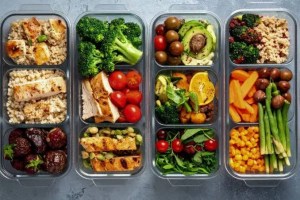
Best Foods to Eat on GLP-1
Since your appetite drops and every bite counts for more, the smartest picks are the ones packed with nutrients rather than empty calories. Build your plate around these five groups:
- Lean protein: chicken, turkey, fish, eggs, tofu, and Greek yogurt
- High fiber vegetables: broccoli, spinach, zucchini, and bell peppers
- Whole grains: quinoa, oats, and brown rice, eaten in smaller servings
- Healthy fats: avocado, olive oil, nuts, and seeds
- Hydrating foods: cucumber, watermelon, and broth based soups
| Food Group | Examples | Why It Helps |
| Protein | chicken, eggs, tofu, cottage cheese | Preserves muscle and curbs hunger between meals |
| Fiber rich vegetables | broccoli, spinach, carrots | Eases digestion and helps prevent constipation |
| Whole grains | oats, quinoa, brown rice | Provides steady energy without a sugar crash |
| Healthy fats | avocado, olive oil, nuts | Supports fullness without feeling heavy |
| Hydration foods | soup, watermelon, cucumber | Fights dehydration and headaches, common side effects |
What Foods to Eat on GLP-1 at Each Meal
Breaking things down meal by meal makes the choices a lot simpler:
- Breakfast: Greek yogurt with berries, or two eggs with a slice of whole grain toast
- Lunch: grilled chicken salad with olive oil dressing, or a bowl of lentil soup
- Dinner: baked salmon with roasted vegetables, or a small portion of turkey chili
- Snacks: a handful of almonds, cottage cheese, or a hard-boiled egg
Small, protein-first meals tend to sit better than large ones. Many people on GLP-1 medications do best with three modest meals and one or two small snacks, instead of three large plates that used to feel normal before starting treatment.
Foods to Eat on GLP-1: A Sample Day
Here’s a simple layout of what a full day might include, so you can see how everything fits together.
| Meal | What to Eat | Approx. Protein |
| Breakfast | 2 eggs, spinach, half an avocado | 14g |
| Lunch | grilled chicken, mixed greens, olive oil | 30g |
| Snack | Greek yogurt with a few walnuts | 15g |
| Dinner | baked fish, steamed broccoli, quinoa | 28g |
This isn’t a strict script to follow word for word. Swap in foods you enjoy within each category, and keep portions on the smaller side, especially during your first few weeks.
Foods to Limit or Avoid on GLP-1
Some foods work against what the medication is trying to do, or they make side effects worse. It helps to know which foods to skip before you’re stuck deciding at the grocery store or a restaurant.
- Fried and greasy foods, which slow digestion even further and often trigger nausea
- Sugary drinks and desserts, which spike blood sugar and add calories with little nutrition
- Highly processed snacks, like chips and packaged cookies
- Large portions of red meat, which can feel heavy on a slower stomach
- Carbonated drinks, which tend to cause bloating and discomfort
Alcohol deserves a mention too. It can lower blood sugar, irritate an already sensitive stomach, and add calories without any real nutrition, so most people find it easier to keep drinking to a minimum while adjusting to their medication.
Tips to Get the Most Out of Your GLP-1 Plan
- Eat slowly. Your brain needs time to register fullness, and GLP-1 medications make that signal even more sensitive than before.
- Sip water steadily throughout the day instead of drinking large glasses at once, since a full stomach and a lot of liquid together can feel uncomfortable.
- Put protein first at every meal. A smaller appetite makes it easy to under eat protein, which raises your risk of losing muscle instead of fat.
- Plan meals ahead of time. Knowing what’s for dinner removes the temptation to grab something fried or overly processed when you’re tired.
- Track your dose alongside your meals. A semaglutide dosage chart can help you understand how your appetite tends to shift as your dose increases, so you can adjust portion sizes accordingly.
- Talk with your prescriber before making big changes. Research from the National Institute of Diabetes and Digestive and Kidney Diseases shows that pairing medication with steady lifestyle habits leads to better long term weight outcomes than medication alone.
- Keep meals balanced rather than restrictive. The American Heart Association notes that consistent protein and whole food choices support steadier energy throughout weight loss, rather than sudden crashes.
Frequently Asked Questions
Can I still eat carbs while on GLP-1?
Yes, in moderate amounts. Choose whole grains like oats or brown rice over refined carbs like white bread, and keep portions modest.
Why do I feel full so quickly now?
GLP-1 medications slow down how fast your stomach empties, so fullness signals arrive sooner and last longer than they used to.
Do I need to count calories on this plan?
Not necessarily. Many people do well by simply focusing on protein, fiber, and portion size instead of tracking every calorie.
What should I do if certain foods make me feel sick?
Note which foods bother you and set them aside for now. Fried, greasy, and very sugary foods are the most common triggers.
How long should I stay on this eating plan?
For as long as you’re on the medication, and ideally beyond it. The habits you build now, like prioritizing protein and fiber, support long term weight maintenance too.
Is coffee or tea okay to drink?
Usually, yes, in moderation. Watch out for added sugar and cream, which can add calories without helping you feel any more full.
Final Thoughts
This kind of eating plan works best when it supports your medication instead of fighting it. Stick with lean protein, fibre-rich vegetables, and hydrating foods, and go easy on fried, sugary, and heavily processed options. Small, steady changes tend to beat drastic ones, especially while your body adjusts to a new appetite. If you want personalized guidance, a licensed provider can help match your meals with your dosage and your goals.
Ready to get started? Reach out to us today and take the next step toward sustainable weight loss with a plan built around meals that actually fit your life and your goals.