
Semaglutide has quickly become one of the most searched terms in medicine, largely thanks to its brand names, Ozempic and Wegovy. But before starting any new medication, it’s worth understanding what’s actually happening inside your body. So how does semaglutide work, and is it the right fit for you?
In simple terms, semaglutide is a weekly medication that changes how your body handles hunger and blood sugar. This guide breaks down the science in plain language, walks through what to expect from your first dose to your final results, and covers the safety details every patient should know before getting started.
Semaglutide is a lab-made version of a hormone your gut already produces, called GLP-1 (glucagon-like peptide-1). In the US, it’s sold under three brand names: Ozempic and Rybelsus for type 2 diabetes, and Wegovy for chronic weight management. Semaglutide shares about 94% of its structure with the natural human hormone, which is why it fits so smoothly into the body’s own signaling system.
According to the FDA prescribing information, doctors prescribe semaglutide as a weekly injection (or, in the case of Rybelsus, a daily pill) alongside changes to diet and physical activity.
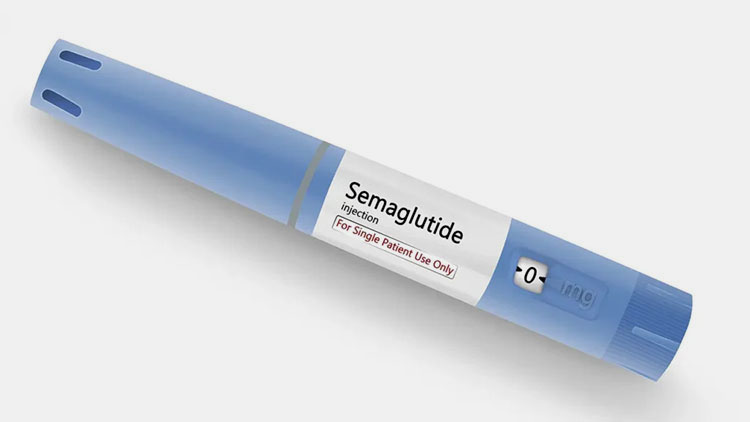
Once it’s in your system, semaglutide copies the job of GLP-1, a hormone your intestines release naturally after you eat. That hormone talks to several parts of your body at once, and semaglutide does the same thing, just for a much longer stretch of time.
Here’s what it does:
Semaglutide binds tightly to a protein in the blood called albumin, which is why it breaks down slowly and one dose lasts a full week, according to NIH research. That steady, long-lasting action is the main reason it behaves so differently from older appetite medications that leave your system within hours.
How long does it take for semaglutide to work? Most people don’t notice a dramatic shift overnight. Treatment usually starts at a low dose and increases gradually over several weeks, a process called titration, so your body can adjust with as few side effects as possible.
Timeframe | What You May Notice |
Weeks 1 to 4 | Starter dose; body adjusts; mild appetite changes |
Weeks 5 to 8 | Dose increases; early nausea often eases; steadier appetite control |
Weeks 12 to 16 | Measurable weight change and improved blood sugar readings for many patients |
Months 4 to 6+ | Fuller effects, with major clinical trials measuring peak results around 68 weeks |
Everyone responds at a different pace, so your provider will follow a semaglutide dosage chart to move you up in strength safely and track your progress along the way.
Once semaglutide has had time to work, the results tend to show up in more than one area of health. Here are the semaglutide benefits reported most often in clinical research and real-world use:
Semaglutide is FDA-approved for a few specific situations, and your provider will confirm which one applies to you:
Brand | Approved For | Form |
Ozempic | Type 2 diabetes; lowering cardiovascular risk | Weekly injection |
Wegovy | Chronic weight management (BMI ≥30, or ≥27 with a weight-related condition) | Weekly injection |
Rybelsus | Type 2 diabetes | Daily pill |
Some providers also prescribe semaglutide off-label for other weight-related goals, always based on an individual health review.
Does semaglutide need to be refrigerated? In most cases, yes, at least until you start using it. Unopened semaglutide pens belong in the refrigerator, kept away from the freezer. Once you start using a pen, most formulations can be kept at room temperature for a set number of weeks. Check your specific product label, since this window varies by brand. Always keep the pen cap on when not in use, avoid direct sunlight and heat, and never use a pen that has been frozen, even if it looks fine, since freezing can break down the active ingredient.
Like any prescription medication, semaglutide comes with things to watch for. The most commonly reported side effects are digestive and tend to ease as your body adjusts:
More serious, though less common, risks include:
This is a summary, not a complete list. Always review the full FDA prescribing information and talk with your provider about your personal health history before starting treatment.
So, how to get semaglutide the right way? It starts with a health evaluation from a licensed provider, since semaglutide is a prescription-only medication. They’ll review your medical history, current medications, and goals before approving our semaglutide prescription service for you.
Many people find it simplest to start with our online weight loss clinic, which can connect you with a licensed provider, handle lab work requirements, and ship your medication directly, without the long wait times of an in-person office.
Whichever route you choose, avoid compounded or unverified sources that don’t require a real medical evaluation. Counterfeit and improperly compounded products have become more common as demand has grown, and they carry real safety risks.
Semaglutide works by copying a hormone your body already makes, slowing digestion, quieting appetite, and helping regulate blood sugar, all through a single weekly dose. The semaglutide benefits reported by patients and researchers alike (meaningful weight loss, better blood sugar control, and reduced cardiovascular risk) explain why it has become such a widely discussed treatment option. As with any prescription medication, the safest path forward is a real conversation with a licensed provider who can confirm it’s right for you and guide you through dosing and storage correctly.
Ready to find out if semaglutide fits your health goals? Reach out to a licensed provider today to get a personalized evaluation and take the next step toward a healthier you.
For most adults who qualify, semaglutide is considered safe for long-term, ongoing use under medical supervision. Your provider will monitor your progress and adjust your plan as needed.
Many people regain some weight after stopping, since appetite tends to return to its earlier baseline. That’s why long-term lifestyle habits and, in many cases, ongoing treatment are part of the plan.
Yes. Wegovy is specifically approved for chronic weight management in adults with obesity, or with overweight plus a weight-related health condition, regardless of diabetes status.
If it’s been fewer than 5 days since your missed dose, take it as soon as you remember. If more time has passed, skip the missed dose and take your next one on the regular schedule. Don’t double up.
Subscribe now to keep reading and get access to the full archive.